Grip Strength: A Window Into Your Overall Strength
October 13, 2026
Doctors check your blood pressure at almost every visit. Hardly anyone checks how hard you can squeeze. Yet in one of the largest studies of its kind, grip strength turned out to be a better predictor of death from any cause than systolic blood pressure.
That doesn't make your handshake a magic number. It makes it a useful window into something bigger: how much overall strength your body has in reserve.
The study
The Prospective Urban Rural Epidemiology (PURE) study enrolled households in 17 countries, from high-income nations to low-income ones. Adults aged 35 to 70 squeezed a handheld device called a dynamometer, and researchers followed them for a median of four years.
The results, published in The Lancet in 2015 by Darryl Leong and colleagues, covered 139,691 people. During follow-up, 3,379 of them died.
- All-cause mortality. After adjusting for other factors, each 5-kilogram lower grip strength was associated with about a 16 percent higher risk of death from any cause (hazard ratio 1.16).
- Heart and other causes. The same 5-kilogram difference was associated with about a 17 percent higher risk of cardiovascular death and a similar rise in non-cardiovascular death. It was also linked to modestly higher risk of heart attack (7 percent) and stroke (9 percent).
- Compared with blood pressure. Grip strength was a stronger predictor of all-cause and cardiovascular death than systolic blood pressure.
Just as interesting is what grip strength did not predict. The researchers found no significant association with developing diabetes, with falls that caused injury, or with fractures.
What it does and doesn't mean
This is an observational study. It shows that weaker grip and higher risk travel together; it doesn't show that squeezing harder makes anyone live longer. People who are already ill tend to be weaker, which explains part of the link.
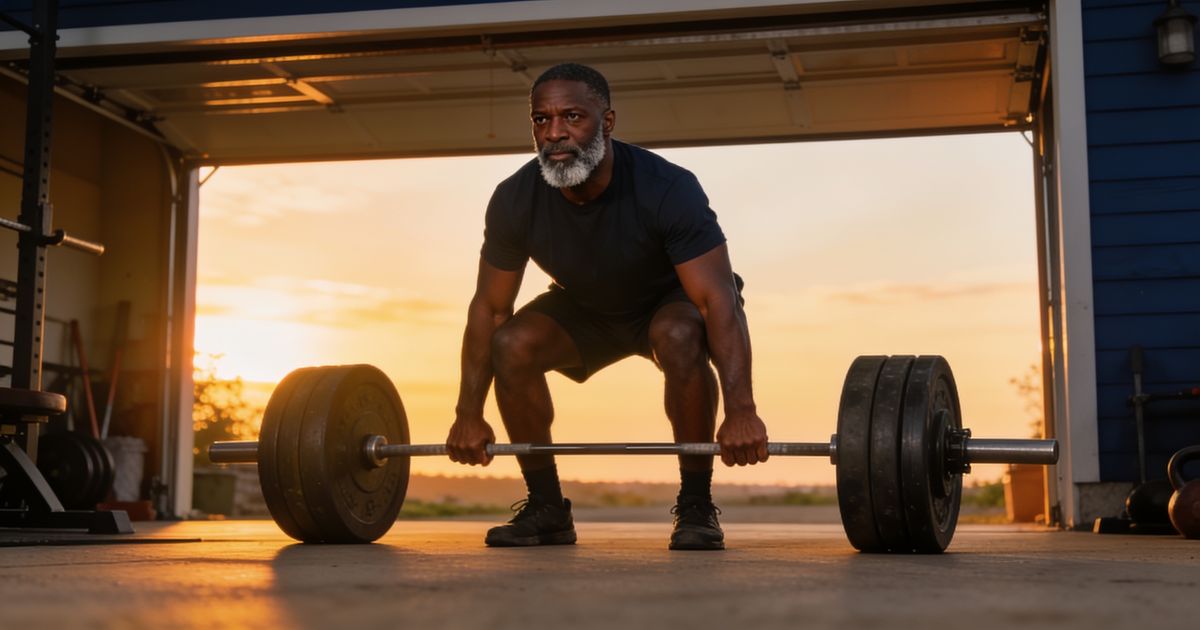
The more useful way to read it: grip is a quick, cheap proxy for overall muscular strength, and strength reflects a lot about how the body is holding up. A strong grip on its own isn't the goal. A body that is strong enough to produce one is.
For a fuller look at why muscle matters as we age, including how it changes over the decades and what the research says about protein, see our companion piece, Why Muscle Matters as You Age.
Try this: train the grip as part of the whole
These ideas are for healthy adults. If you have arthritis in your hands, shoulder problems, heart disease or another condition, or haven't trained in a while, check with your doctor or a physical therapist first.
The best grip work also trains the rest of you:
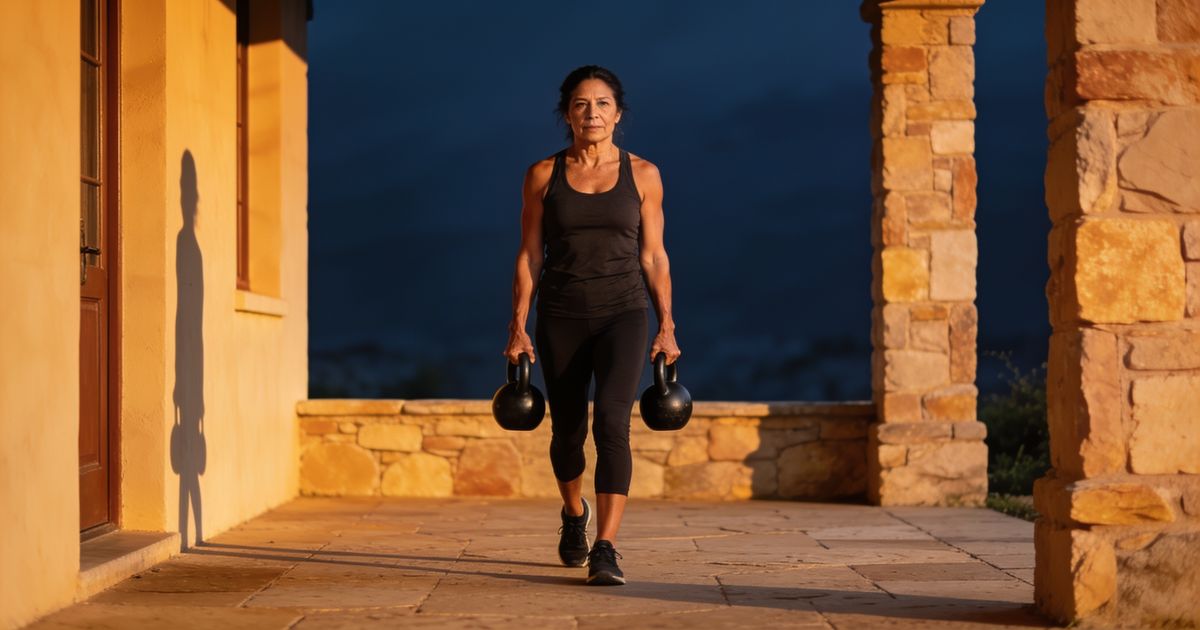
- Farmer carries. Pick up a heavy dumbbell, kettlebell or grocery bag in each hand, stand tall and walk 20 to 40 steps. Rest and repeat two or three times. Your hands, shoulders, core and legs all work together.
- Dead hangs. Hang from a sturdy pull-up bar with your feet able to touch the floor or a step for support. Start with 10 to 20 seconds. If a full hang is too much, keep some weight on your feet.
- Hammer curls. Curl dumbbells with your palms facing each other. Squeeze the handles firmly through the whole movement.
- Everyday carries. Carry the groceries in from the car instead of using the cart. Small, frequent loads add up.
Two or three short sessions a week, alongside the major-muscle strength training the U.S. guidelines recommend, is a reasonable place to start. Many gyms and physical therapy clinics have a dynamometer if you'd like a baseline number to track over time.
Your handshake isn't a verdict. But it's one of the few health markers you can feel getting better.
Sources
- Leong, D. P., et al. (2015). Prognostic value of grip strength: findings from the Prospective Urban Rural Epidemiology (PURE) study. The Lancet, 386(9990), 266–273. PubMed · Abstract62000-6/abstract)
- U.S. Department of Health and Human Services (2018). Physical Activity Guidelines for Americans, 2nd edition. PDF